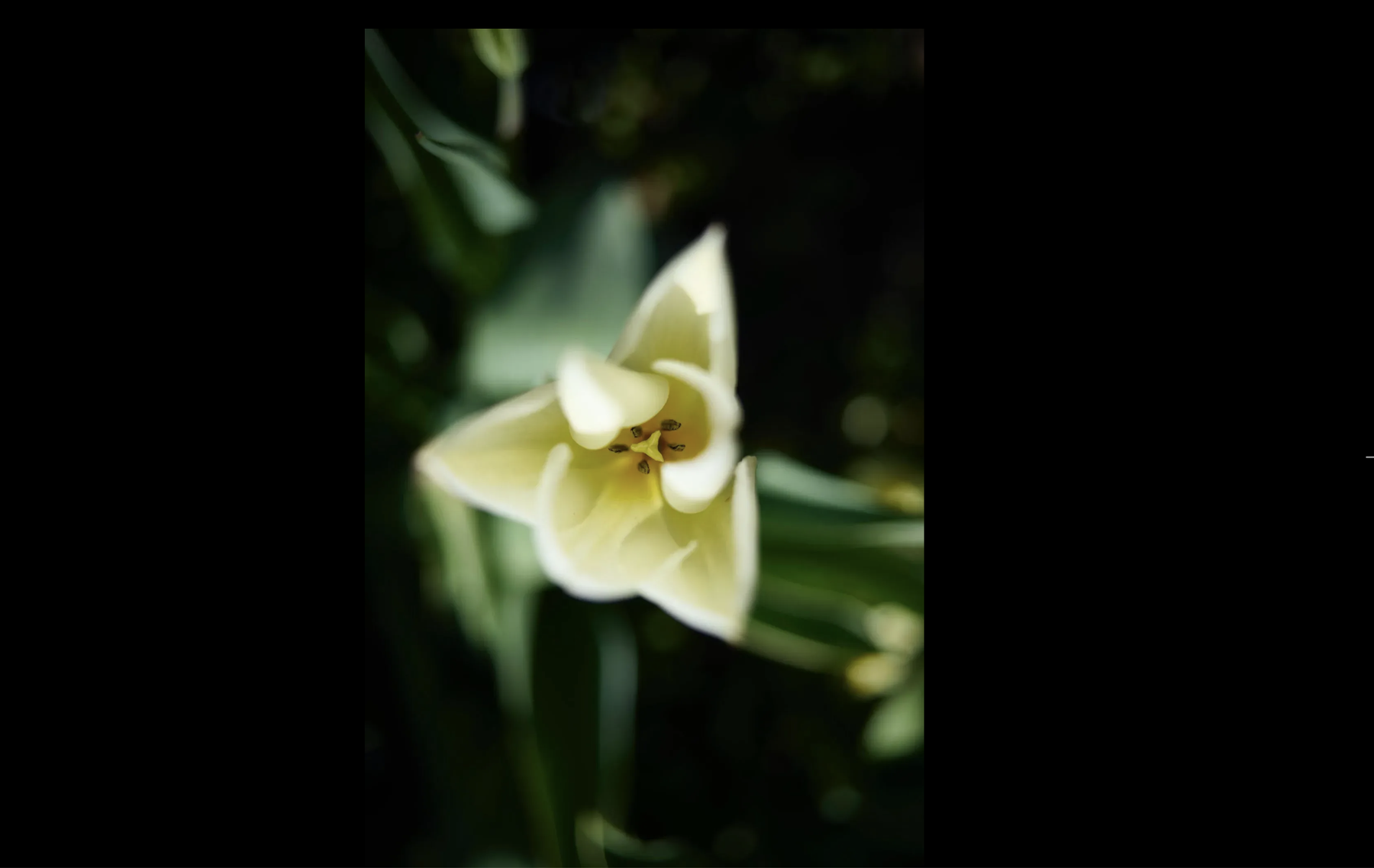
Peter Burgess is a natural history photographer. His work uses photography to show how the smallest parts of the natural world connect to the larger picture of survival and ecological awareness.
He needed a web space that was fast, reliable, and easy to share. It had to work as a portfolio while also connecting visitors to his Substack and Bluesky pages.

Letting the images lead
Peter chose Solo partly because it comes from Mozilla, which was recommendation enough for him. He also valued the free basic plan and the sense that the tool had been built for a clear purpose.

The portfolio keeps attention on the images. The surrounding structure stays light, so visitors can understand the photography without the website competing with the work.
A point of connection
Peter reported positive responses and conversations with two organizations about collaborations. That is a meaningful result for a portfolio. It means the site is not just a gallery, but a place where opportunities can begin.
Solo is very simple to understand because the design and engineering has been so well thought through.
A portfolio that supports conversations
A photographer's site should not fight the photographs. Peter Burgess needed enough structure to connect visitors to Substack, Bluesky, and collaboration conversations, but the images still had to lead.
The portfolio creates a cleaner path for people who respond to the work and want to talk further.
A portfolio does not need to convert like an ecommerce page. It needs to make the work easy to revisit, share, and discuss with people who might collaborate.
The site also creates a cleaner loop between channels. Someone can find Peter through Substack or Bluesky, then return to the portfolio when they want to see the work in one place.
That makes the portfolio easier to share after a conversation.
For visual work, that kind of return path is often the start of a better opportunity.
See the live website at Peter Burgess Photography.